
Homemade Tonic Syrup for the best Gin and Tonic
I may earn from purchases through links in this post.
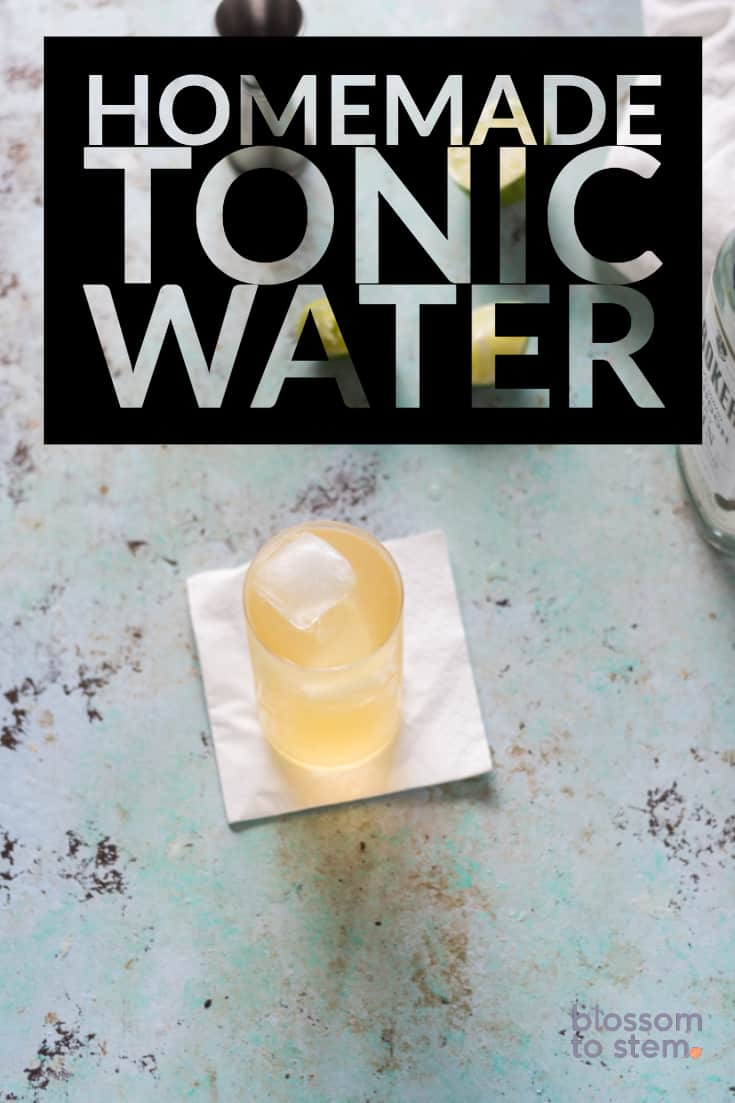
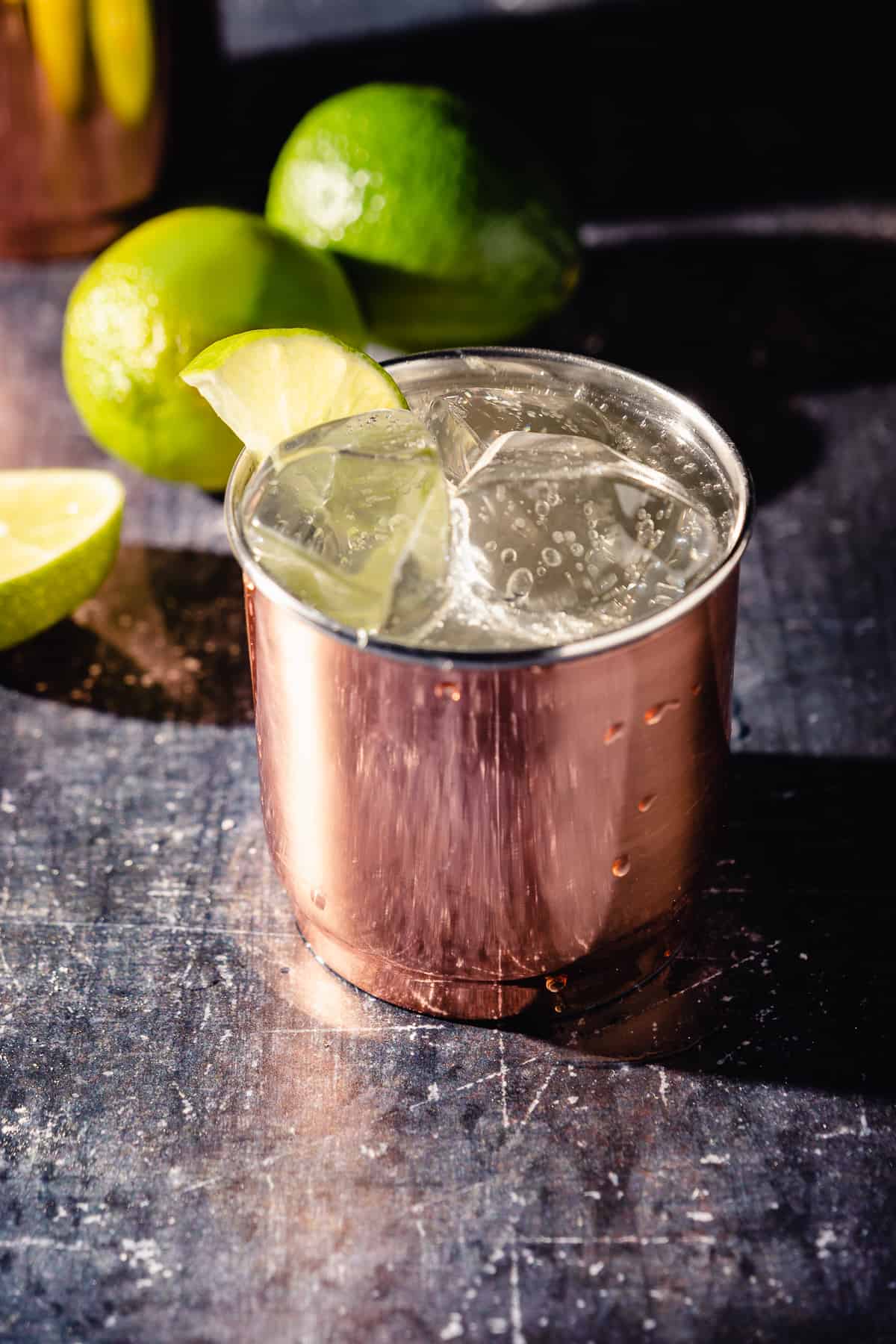
A gin and tonic is a fine drink. It's tough to beat on a summer day, with its effervescence and its botanical fragrance and its hit of citrus.
Its anti-malarial properties from quinine famously protected the British from malaria in India and Africa, a complicated sort of honor in the way that the project of global empire is complicated (and if you want a fun read about the follies of empire you must pick up J.G. Farrell's The Siege of Krishnapur).
But big-brand commercial tonic water has declined like the empire it propped up for so many years. It barely contains any quinine anymore.
It's basically sugar or high fructose corn syrup with some citric acid and the ever ambiguous "flavorings."
There are several high quality fancy-pants tonics on the market, from Q to Fever Tree to Fentiman's, and while I like all of them, I rarely have them around because they're kind of expensive and not always easy to find. Also, I've learned, I can do better on my own.
Most of the tonic recipes you'll find floating around the Internet are variations on Jeffrey Morgenthaler's recipe that he shared in 2008. In his excellent 2014 Bar Book (a resource that all serious cocktail geeks should have in their library) he is critical of that original version:
Even my own first recipe, which was lauded by bartenders and home mixologists all over the Internet and in newspapers, I personally found to be muddy, dirty, earthy, and, quite frankly, a bit tough to drink.
I played around with that version a number of years ago, and while I remember liking it, I also remember feeling it wasn't quite what I wanted to reach for when I wanted a gin and tonic.
And I take his point about it feeling a bit muddy. In part because if you're using cinchona powder it's awfully tough to strain out of a syrup (and if you're using cut bark, it's tough to extract much quinine flavor).
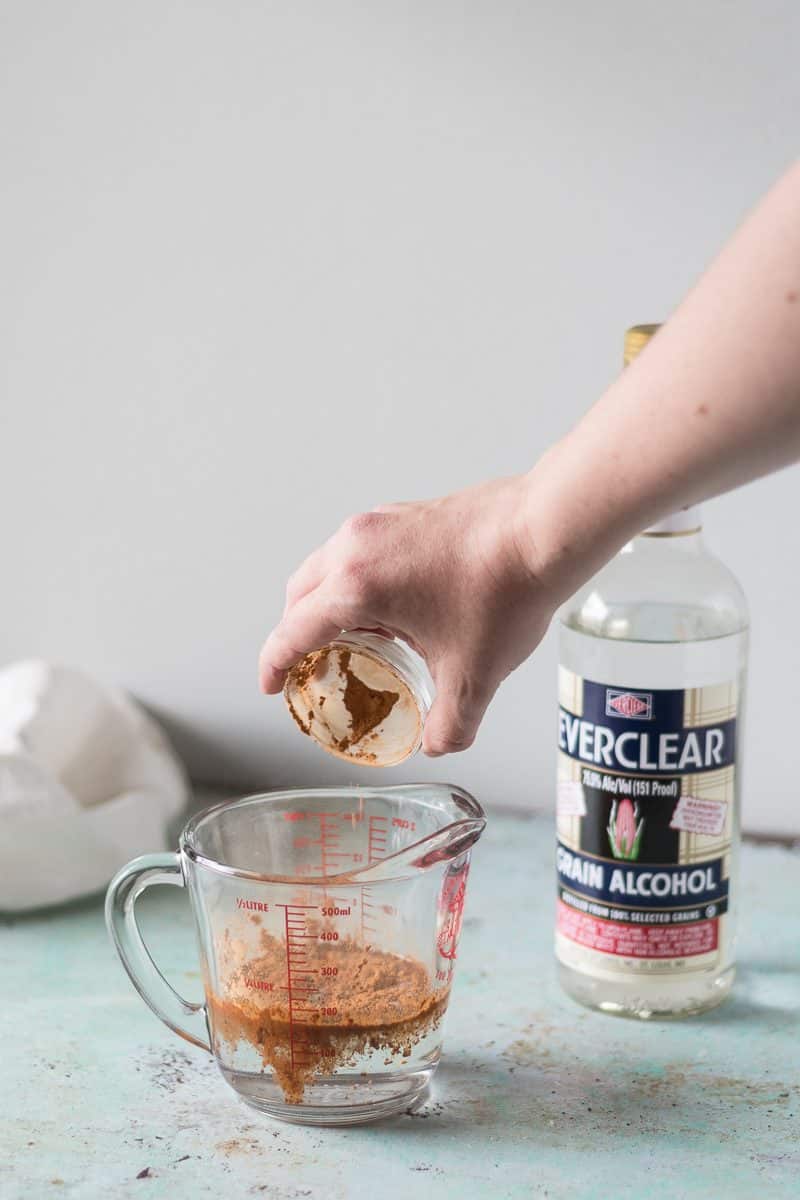
Morgenthaler gets around this problem by using first infusing the cinchona powder in vodka (I use Everclear) and then adding the quinine tincture to the syrup with the other botanicals and aromatics.
[Edit: This helps to limit the amount of quinine added to the final beverage. Please don't be tempted add more. Too much quinine can have serious, dangerous side effects, and this is not intended to be used for medicinal purposes!]
I've stolen that solution from him for my homemade tonic syrup. But while he flavors his new version with gentian root, cinnamon, lemon and grapefruit, I've learned that I prefer a somewhat different flavor profile.
I love gentian-based amaros like Campari and Suze, but while I think it's interesting in tonic, I think it might be almost too assertive in its bitterness. I've learned that I prefer the somewhat softer, more rounded bitterness of angelica root.
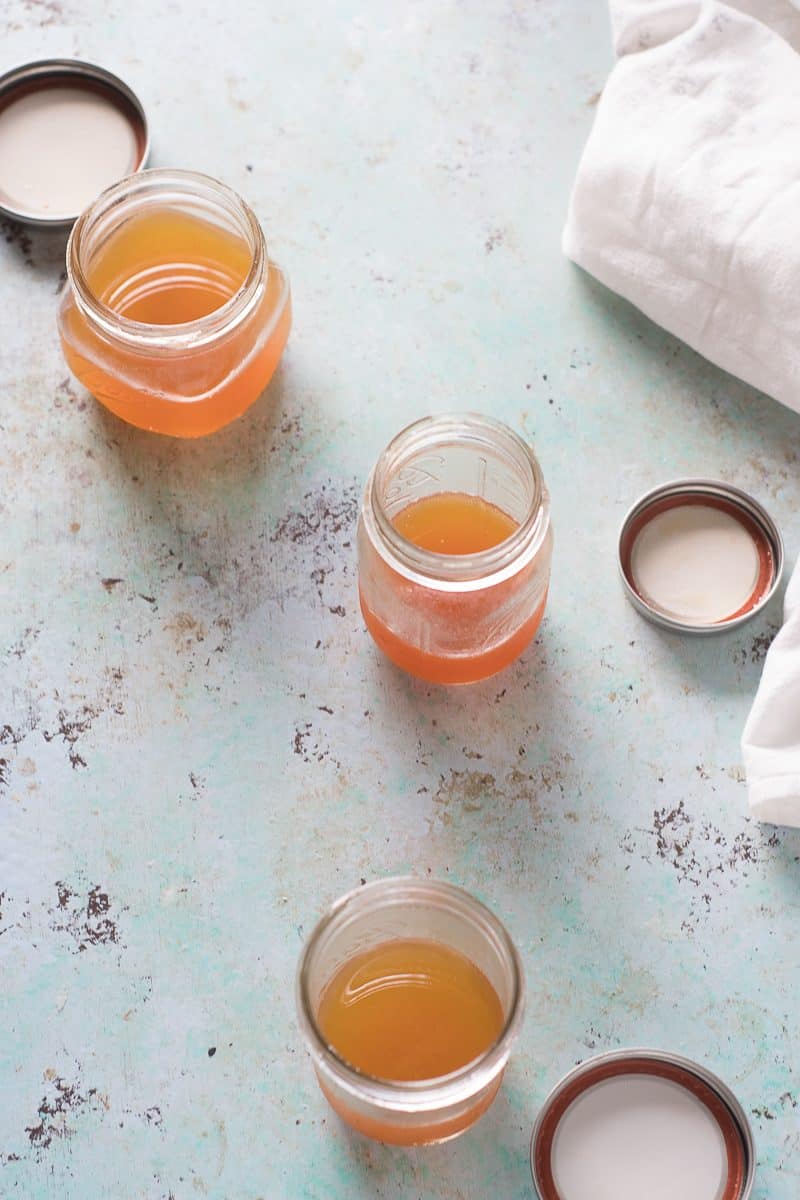
I like some aromatic botanicals and bring in a hint of juniper to echo the gin along with coriander and cardamom. It's a flavor profile I've more or less borrowed from Ransom's Old Tom Gin (my favorite gin for a Martinez).
And somehow, for me, it's the right balance of tart, bitter, and aromatic.
It compliments gin and has enough guts to stand up to a punchy juniper-forward London dry style gin but is still soft enough to refrain from overpowering all the nuance in a more subtle gin.
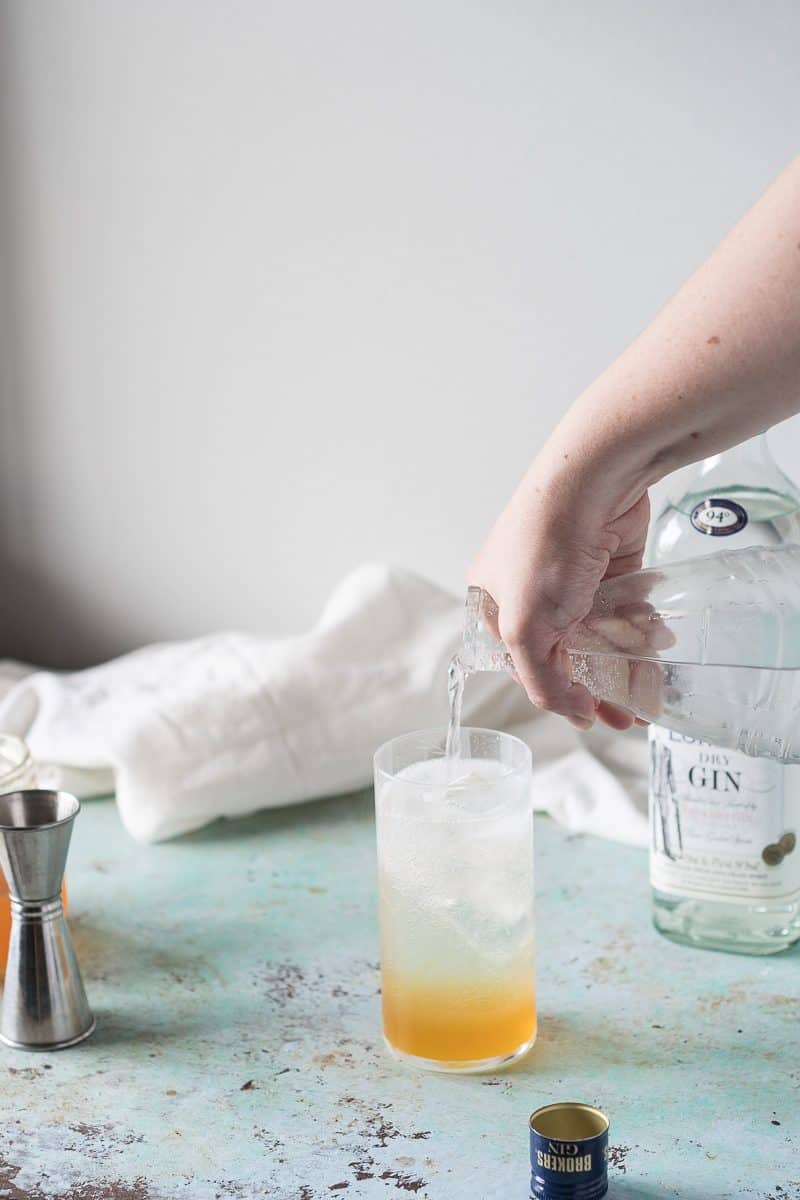
I also think this homemade tonic syrup lovely to drink mixed with a little soda water as a grown-up soda on its own.
Making this does require tracking down some fiddly ingredients.
I mean, you probably don't have quinine powder or angelica root in your pantry and are unlikely to find them at your local grocery store, but the Internet makes them easy to track down. And they're inexpensive and keep more or less forever.
And then you'll be all set for your gin and tonics for life.
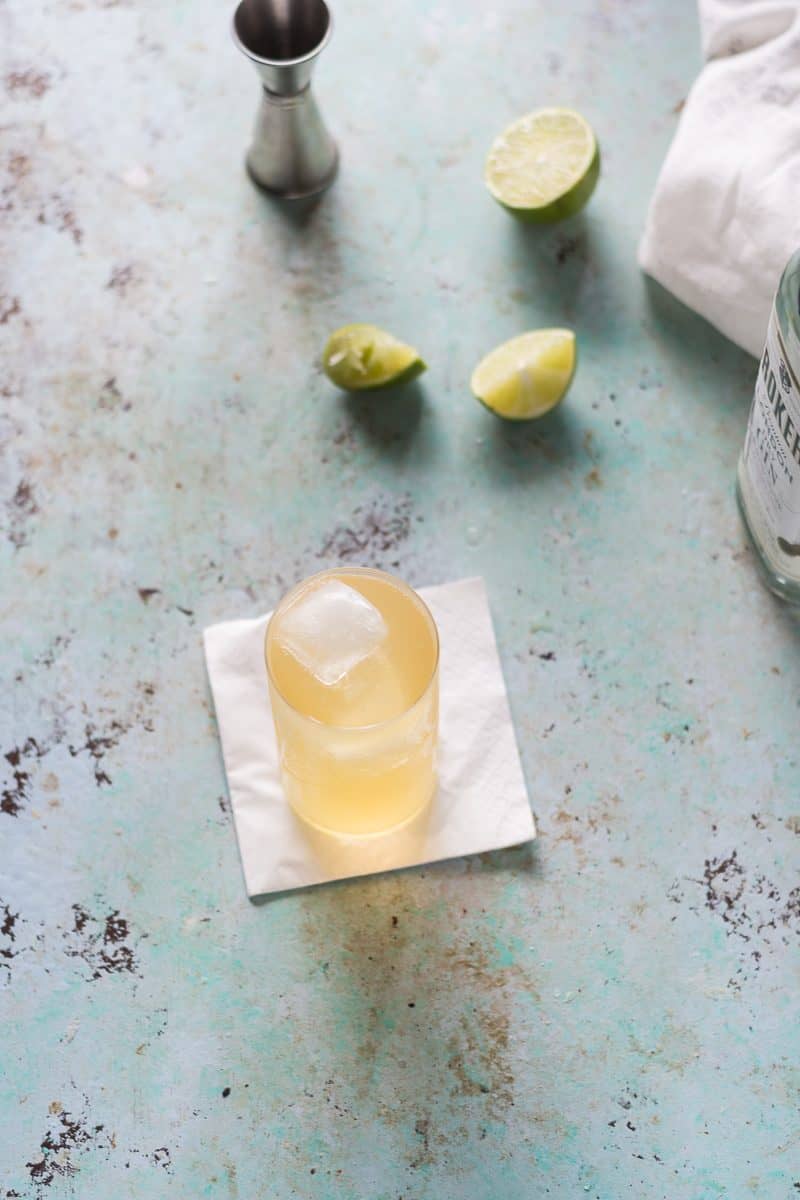
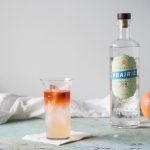
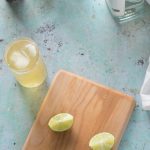
Homemade Tonic Syrup
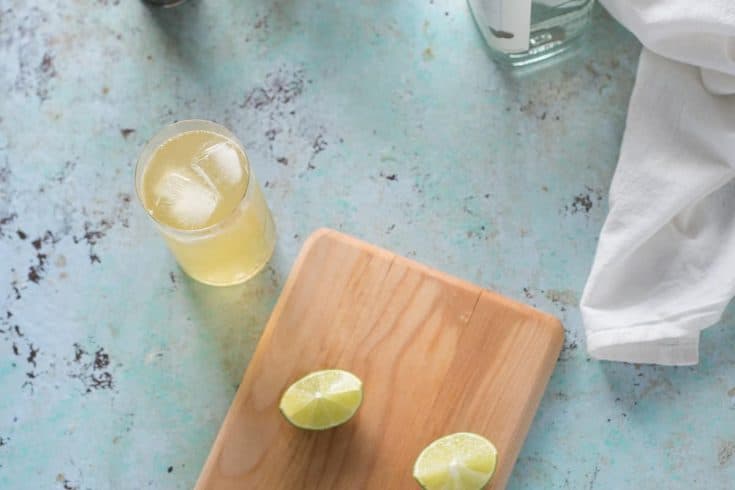
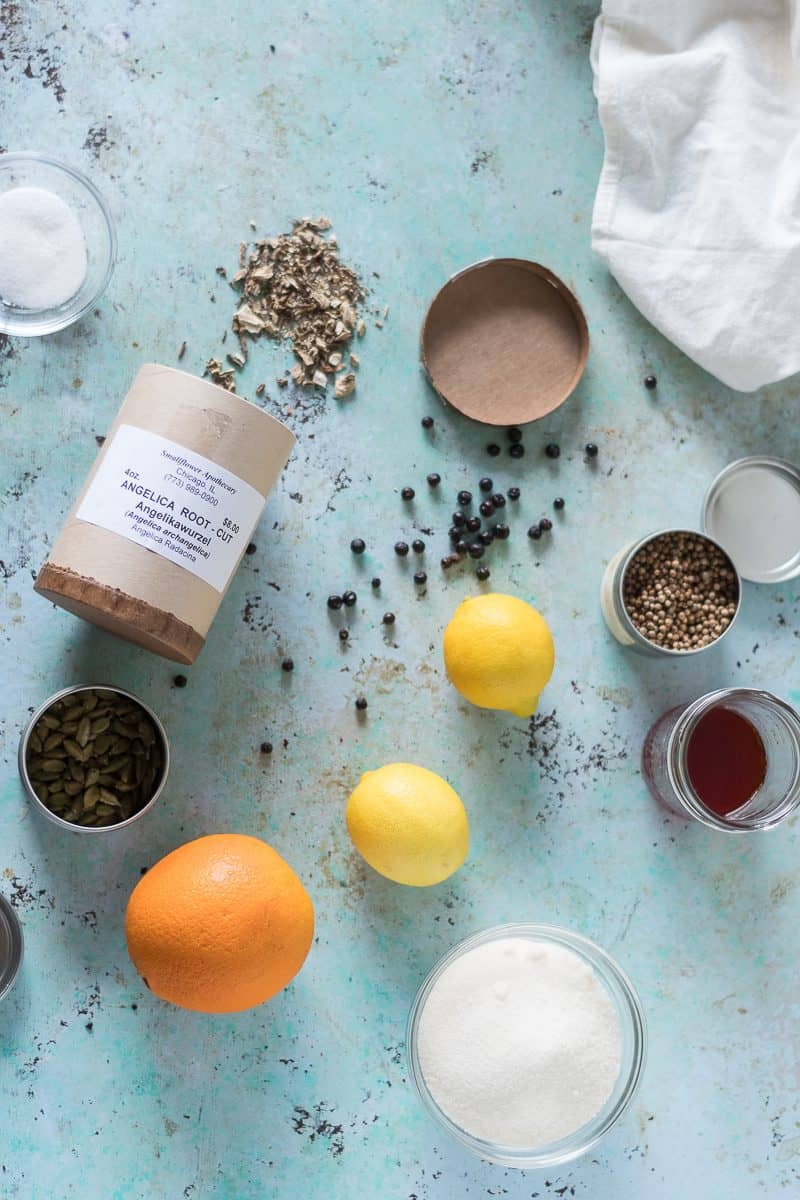
This homemade tonic syrup makes the best gin and tonics ever. It's inspired by the method Jeffery Morgethaler uses in his in his excellent Bar Book, but the flavor profile is loosely inspired by the aromatics in Ransom Old Tom gin. It's tart from the citrus and citric acid, bitter from the angelica root, and aromatic from the coriander, cardamom, and juniper. It does require tracking down citric acid, which you can probably find at your local grocery store, and also angelica root and cinchona powder, which you can easily order online. The quinine tincture makes more than you'll need and it keeps forever. Be sure to weigh everything with a scale for precision--the volume of roots and peels vary too much for volume measurements to be useful. Ideally, look for organic lemons and oranges for this, but if all you have is conventional wash them with hot water first.
Ingredients
Quinine Tincture
- 6 grams powdered cinchona bark
- 150 ml Everclear
For the botanicals
- 20 grams citric acid
- 20 grams angelica root
- 30 grams orange peel, peeled with a vegetable peeler
- 30 grams lemon peel, peeled with a vegetable peeler
- 8 grams coriander seed
- 5 grams cardamom pods
- 5 grams juniper berries
- 400 grams sugar
- 500 ml water
Instructions
Make the quinine tincture
- Mix the cinchona powder with the Everclear, cover, and let sit overnight. Strain through a coffee filter fitted on your finest mesh strainer (or filter cone) into a container. It might take a while. Then strain again through a second coffee filter to really remove the fine particulate.
Make the botanical syrup
- Add all the ingredients to a medium saucepan. Heat over medium-high heat until it comes to a boil, reduce heat to low and simmer, covered, for 20 minutes. Strain through a mesh strainer and let cool.
- Measure out 45 ml (1 ½ ounces) of the quinine tincture and mix into the cooled syrup. Keep the rest of the quinine tincture in an airtight container (the tincture will keep indefinitely). Store the syrup in an airtight container in the refrigerator. It should keep for at least 2 weeks.
Recommended Products
As an Amazon Associate and member of other affiliate programs, I earn from qualifying purchases.
-
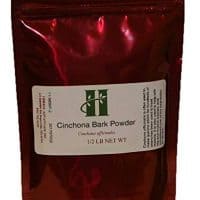 Cinchona Bark Officinalis ½ Pound Powder
 -
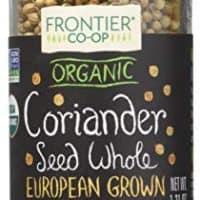 coriander
 -
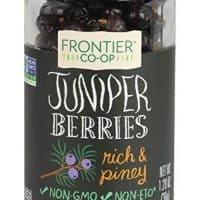 Frontier Whole Juniper Berries, 1.28 Ounce
 -
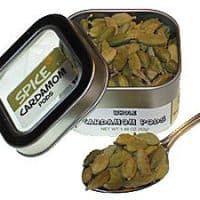 Whole Cardamom Pods Tin
 -
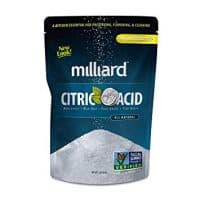 Milliard Citric Acid 1 Pound - 100% Pure Food Grade NON-GMO Project VERIFIED (1 Pound)
 -
 Angelica Root (Angelikawurzel) 2oz loose herbs by Smallflower
 -
 The Bar Book: Elements of Cocktail Technique (Cocktail Book with Cocktail Recipes, Mixology Book for Bartending)
 -
 Escali Primo Digital Kitchen Scale (11 lb/ 5 kg Capacity) (0.05 oz/ 1 g Increment) Premium Food Scale for Baking, Cooking and Mail
 -
 Estilo Swing Top Easy Cap Clear Glass Beer Bottles, Square, 8.5 oz, Set of 6
Nutrition Information:
Yield:
28Serving Size:
gAmount Per Serving: Calories: 62Total Fat: 0gSaturated Fat: 0gTrans Fat: 0gUnsaturated Fat: 0gCholesterol: 0mgSodium: 4mgCarbohydrates: 16gFiber: 1gSugar: 15gProtein: 0g


This homemade tonic syrup looks ideal for gin and tonic, I must put it in my favourites!
Thanks, Jagruti!
Homemade is always better than store bought. Looks like you've nailed it!
Thanks, Jenn! I love demystifying commercial products and figuring out how to make them better at home!
This takes from-scratch to a whole new level - I love it! Beautiful pictures, too.
Thanks so much Monica!
I believe you when you say tonic syrup makes the best gin and tonic, great recipe 😉
Thanks, Charla! Homemade makes it something special!
I love the David Lebovitz's version and it is perfect for a Tanq 10 G&T. Doesn't quite work as well with the dryer Gin's.
I've been curious about how to make tonics to pair with the different Gins. Your combination looks really interesting with the angelica root. I am looking forward to trying it out. Shall be doing a side-by-side comparison.
In case you're interested, this is the one I meant: http://www.davidlebovitz.com/homemade-tonic-water-recipe/
Thanks for putting this up
Nanda, I'm a big David Lebovitz fan. David's version is one of the many variations on Jeffrey Morgenthaler's earlier version. I like it and think the flavors are big and bold, which doesn't always work. This tonic syrup is, I think you'll find, a bit more subtle, bitter, and refined. I think it makes for a better mixer. If you're interested in homemade cocktail mixers, you should totally take a look at Morgenthaler's Bar Book--it's great!
MMMMM, did I miss the recipe for the G&T. I can't seem to find how much syrup you think should go with soda and gin. Am I missing it? I feel foolish just now...
Great question! I've been meaning to do a separate g&t post and haven't gotten around to it yet. In the meantime, I like a gin and tonic that's 2 ounces of gin, 1 ounce tonic syrup, and about 4 ounces of soda over ice with a squeeze of lime. I've found that proportions on gin and tonics can be very personal--some would rather do equal parts gin and tonic, some like a longer drink. So start there and adjust to your taste.
Do you know of anyone who has tried to distill using the bark?
Have you tried the bark chips instead of the powder? Seems a lot of people prefer it that way, but I can't figure out how to adjust the ratios if I go that route--obviously you're going to get less extraction and need to up the weight a bit.
I'd recommend looking for fine cut cinchona bark (like this) rather than bigger bark chips, which don't give up much flavor in this kind of extraction, and then increasing the weight to 9 or 10 grams. The powder is definitely a pain to filter out, and I've considered going this route myself, but haven't tested it. I've used larger bark pieces in the past, and been disappointed, but I think a fine cut bark would be a good compromise for getting good extraction and easy filtration.
Making the tonic first time and pretty much following the directions with some added botanicals. However, I'm a bit concerned about the amount of citric acid. It is very sour and tends to overpower everything else. This is before I added the syrup. Is 20g correct?
The amount is correct.The final syrup should have a balance of bitter and sour and sweet.
I grinded the Chincona bark using an electric coffee grinder. I poured the powder and the corect amount of 47% alcohol in a glass. Next morning the powder was at the bottom of the glass and I could decant the fluid without much "debris"
@Håkan Walterson, thanks for this comment… I can only find bark so was wondering if I could grind it up. Glad to see someone else has done the same.
My favorite mixed bevy has always been G&T’s, and has been so hard to find a good one out and at home. My wonderful husband found this recipe and all I can say is this makes the BEST G&T I have ever had.
Just tried this recipe today. We're finding it to be overpoweringly tart in a G&T (with Tanquerey) due to the citric acid probably, and the quinine flavor is practically non-existent. There is a very nice herbal, almost celery flavor that's very refreshing, but I think I'm going to have to play with the recipe going forward.
Hmm, it shouldn't be that sour, but everyone's taste is different.
Before tinkering too much, I just want to make sure you know that too much quinine can have very bad side effects (like major heart problems), so the amount is limited on purpose.
The citric acid acts as a preservative as well as a flavor component. You can absolutely cut it back or remove it altogether, but the resulting syrup won't stay good as long.
Is the amount of tincture (45ml) correct? It sounds awful lot of alcohol on the syrup itself, especially if you use strong alcohol like Everclear. Making this right now and concerned about the measurements.
It's correct.
This recipe sounds very interesting! I have procured all the ingredients but now wondering if the junipers, cardamom and coriander seeds should be lightly crushed before simmering in the water/sugar syrup?
You could do that and it wouldn't hurt anything, but it isn't really necessary. The steep time allows the flavors to come through.
@Mary Kasprzak,
Thanks for your reply so quickly to an old post! I made my first batch. It wasn't at all like commercial tonic. And I love it! I am partial to Hendricks and Fever Tree with a slice of cucumber. I don't think this recipe would work with Hendricks due to the citrus driven flavours. Have you thought about another recipe that caters for that type of gin. And just because I am down under, I also enjoy a G&T made with Four Pillars gin - but not with regular tonic - it definitely needs a Mediterranean fever tree type tonic. So I guess one with rosmary could work?
I'd love to hear your thoughts. D
I discovered your tonic recipe last March, right around the beginning of COVID quarantine. I explored the other recipes noted here but yours felt like the most balanced, "tasteful" approach. After many delicious batches made and compliments received (and now given backatcha!), I am now considering adjusting it to accomplish something new for me - a non-alcoholic G&T. I have tried N/A gins like Seedlip and Ritual, but instead of this I'd like to try to merge the gin attributes into this tonic recipe. Maybe increase the juniper, add some black peppercorns and rosemary to get that gin profile in a clean, healthy, dry drink. Open to suggestions and ideas. Challenge on....?!
What is the syrup to water/soda water ratio?
It's up to you to adjust to taste. Start with 1:8 syrup to soda water and adjust from there.
@Mary Kasprzak,
Can you use another alcohol instead of everclear? Not been able to get hold of it.
Yes. Look for a high abv vodka (Everclear is 190 proof and is the highest abv neutral spirit available in the US).
Hey Mary, this looks amazing! So, I'm sober and I already do a juniper syrup that I add to mocktails. I just came across your recipe and wondered if I could combine your tonic syrup and my juniper syrup (whole dried juniper, corriander, fennel and cardamom crushed) to make a G&T syrup. Knowing the taste profile of your syrup, what do you think?
I meant to add that I see you already have most of these in yours, so I was thinking of just upping the punch of the things that are already in mine, if that makes sense!
I totally think that would work! The flavors would go well with more punched up juniper notes.
@Kate, I know this post is a few years old now but would love to have your recipe on the juniper combo.
I’m going on 6 month NA and need Low ABV options for a G&T.
I tried your recipe to make espresso tonic and I love the citrus flavor with the Angelica root bitter after taste. It's amazing! Next time I make a batch I think I'll make it a bit more spicy with more cardamom 🙂
Has anybody subbed maple syrup for the simple sugar one? We have a small sugar bush so we sub it for sugar in most recipes . I am planning to water down the MS by 50% . My other thought is to freeze the botanical part in ice cube trays and add the syrup at mixing time …has anyone froze the mix ?
I assume you use angelica root not angelica root powder? Thanks - can't wait to try this!
I used cut angelica root